

Kitchen Garden
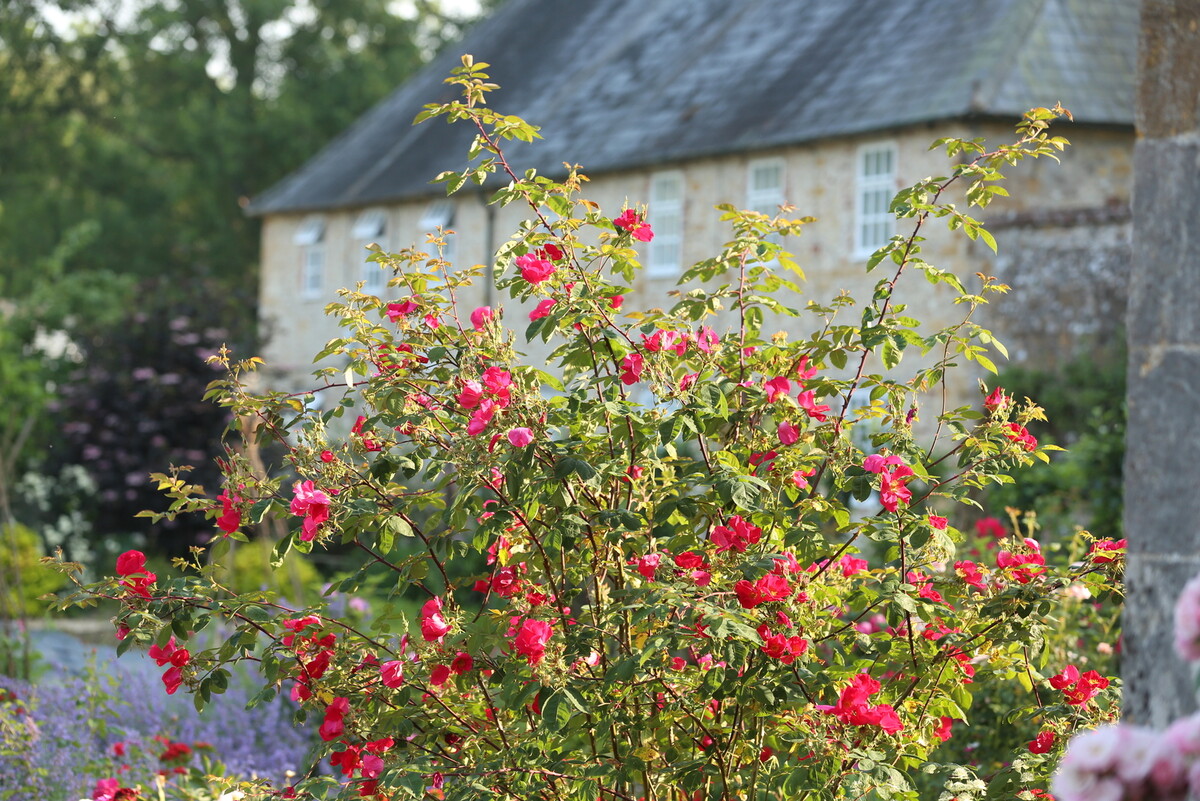
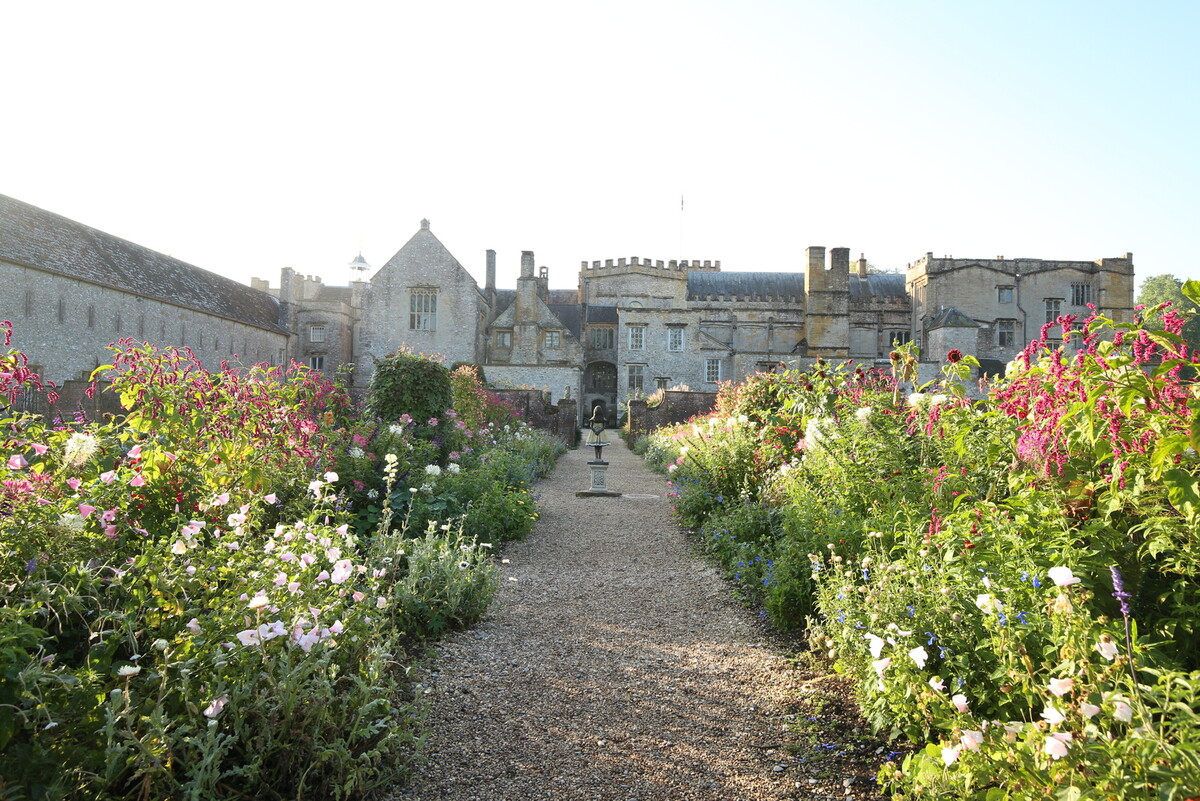
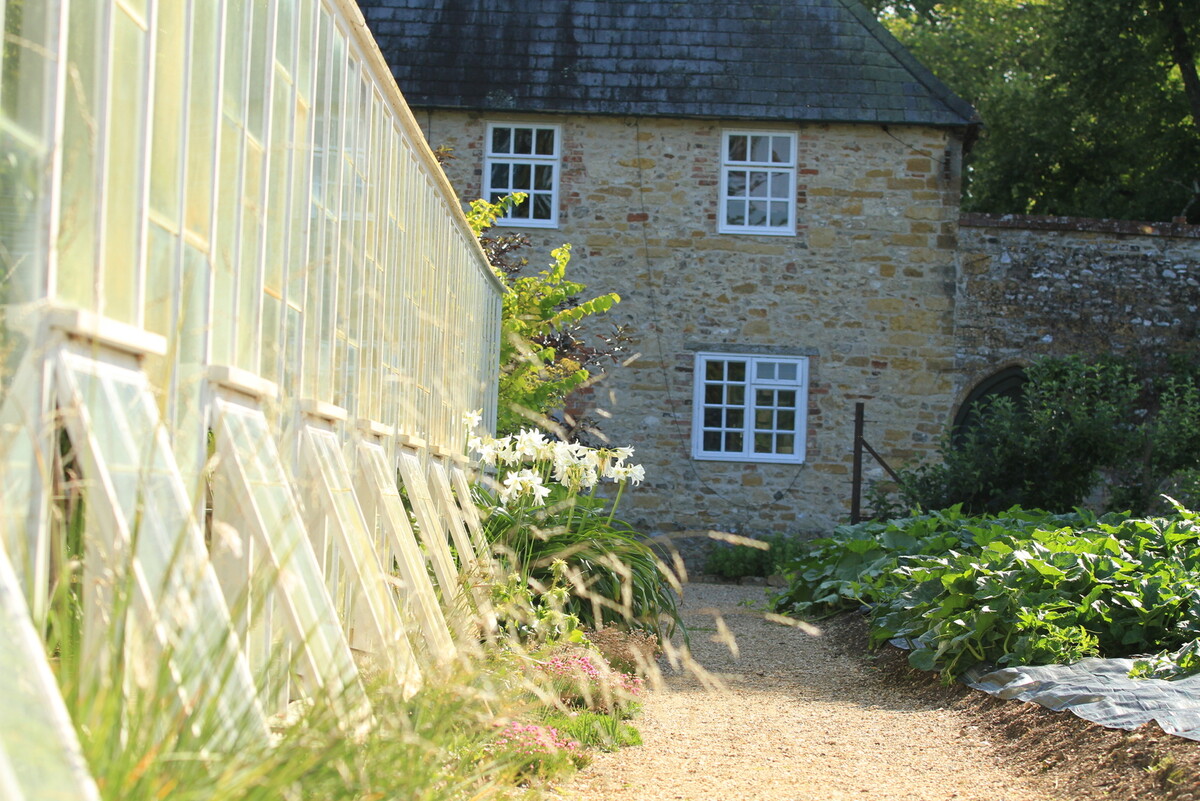
This is one of the oldest parts of The Abbey. The walls of The Kitchen Garden date back to Monastic times. The Monks used this area to grow vegetables using the manure from the farmyard that stood between The Kitchen Garden and The Abbey. Three out of the four walls are Monastic and a Mr. Miles, during his short tenure of The Abbey during the 19thcentury built the South facing fourth wall. Mr. Miles made a significant contribution to the Kitchen Garden by building the Victorian glass houses which today house the grape vines that date from the same era.
The Kitchen Garden is predominantly used for growing vegetables, fruits, and flowers to supply The House and The Coffee Shop. 60 tonnes of well rotten manure from The Abbey’s goat and dairy farm is used to cover half the area every year to cultivate, just like the Monks used to hundreds of years.
There is a peach house that dates to the mid-20thcentury where a range of peaches, apricots and nectarines are grown for The House.
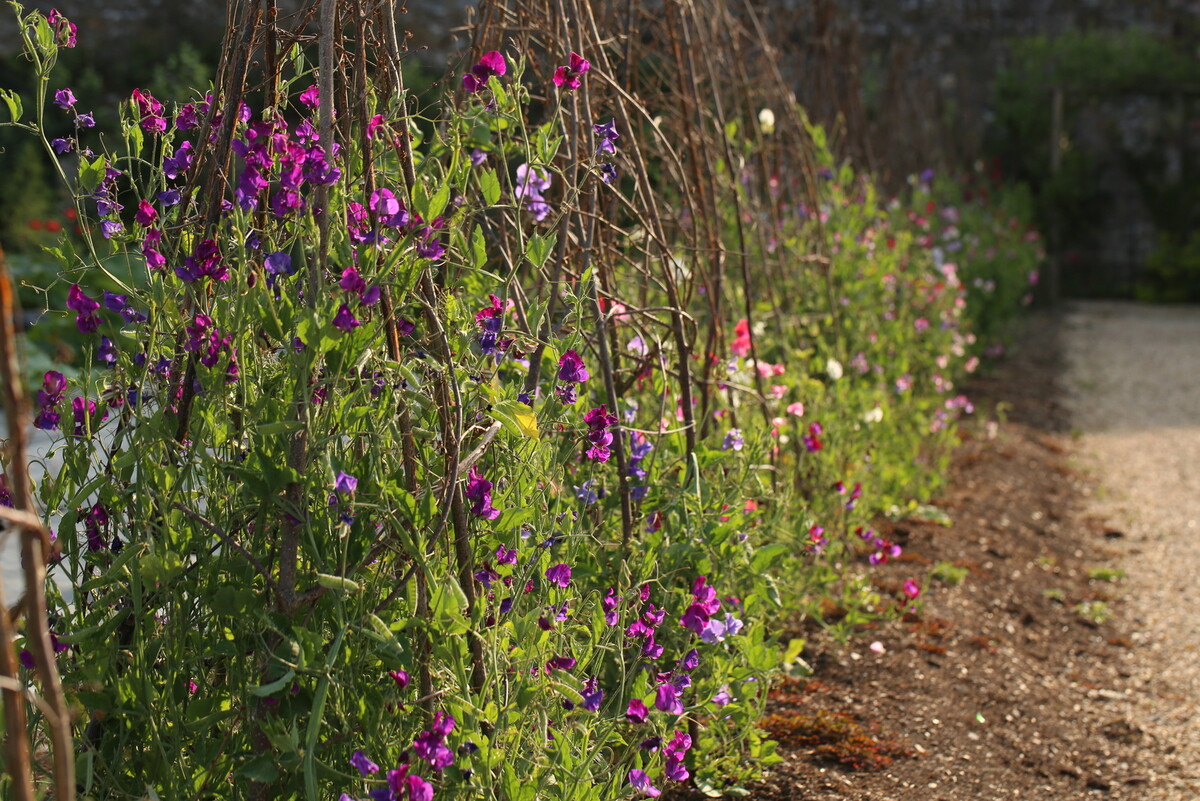
Several varieties of sweet peas are grown today on wigwams for our popular ‘Sweet pea month’. The periphery of The Kitchen Garden is planted with ornamental shrubs, bamboos, and herbaceous perennials for year-round interest.
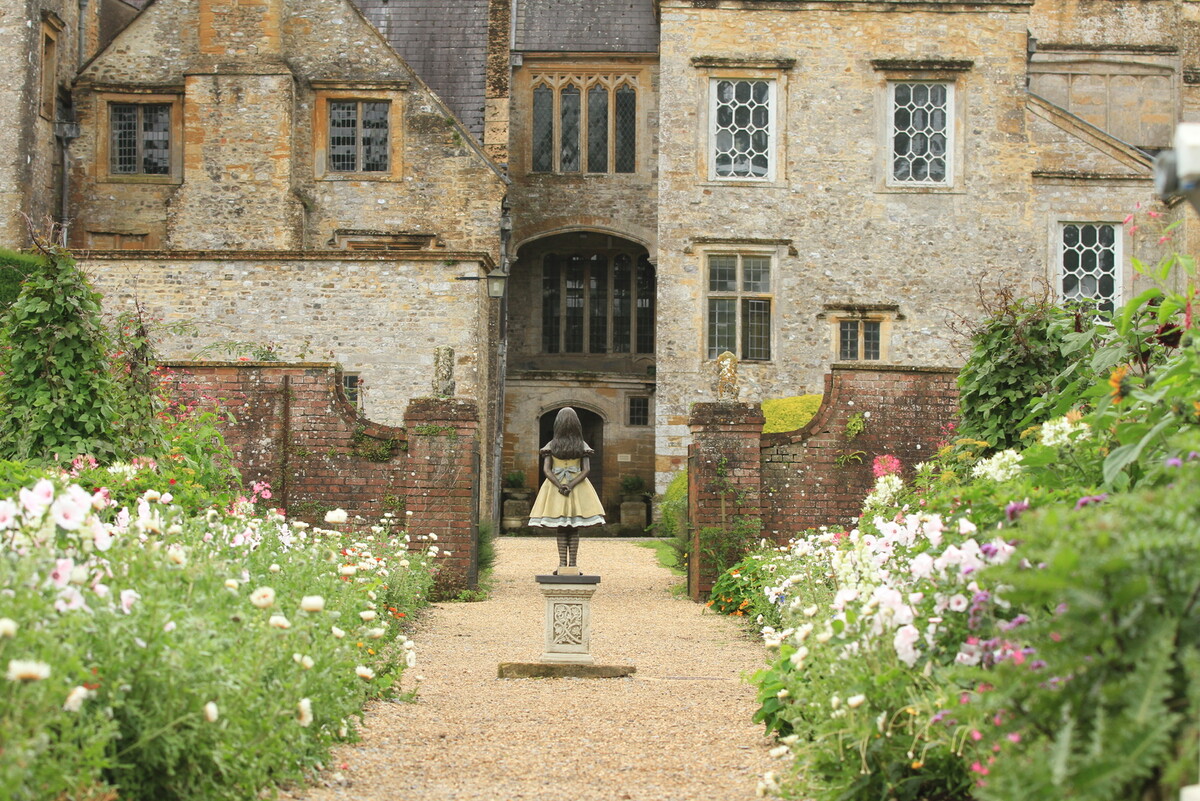
More Gardens at Forde Abbey
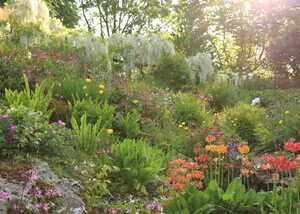
Rock Garden
Created in 1923 with estate rocks, ponds, alpines and seasonal planting for year-round interest.
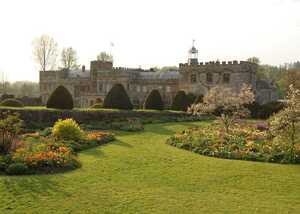
Park Garden
Herbaceous borders, spring bulbs, specimen grasses and winter hellebores.
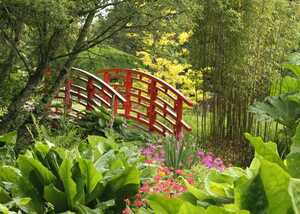
Bog Garden
Streams, historic monk-built watercourses, and seasonal planting from primulas to gunnera.
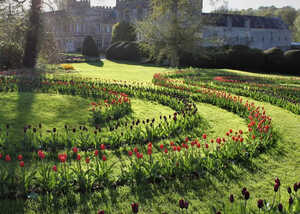
The Swirl
A monastic-inspired spiral garden with tulips in spring and wildflowers in summer and autumn.
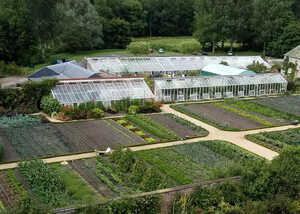
Kitchen Garden
From monastic walls and Victorian glasshouses to fruit, flowers and vegetables.
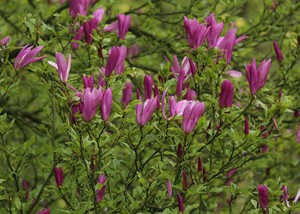
Arboretum
A collection of fine trees and shrubs including Magnolia, Rhododendron and Cornus.
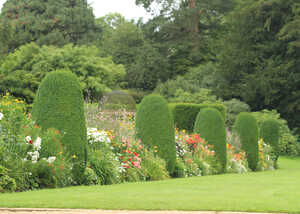
The Long Border
The Long Border by the Long Pond, with yews, dahlias, roses and the Ionic Tempietto.
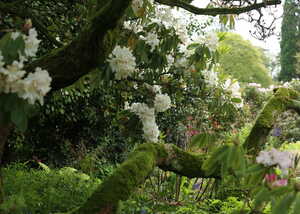
Woodland Garden
Rhododendrons, camellias and azaleas, plus meandering paths and spring colour.
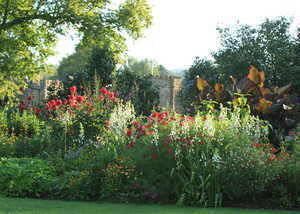
The Mount
The highest point in the gardens, with mature trees, planted beds and views towards the Abbey.
 Updating page...