

The Saloon
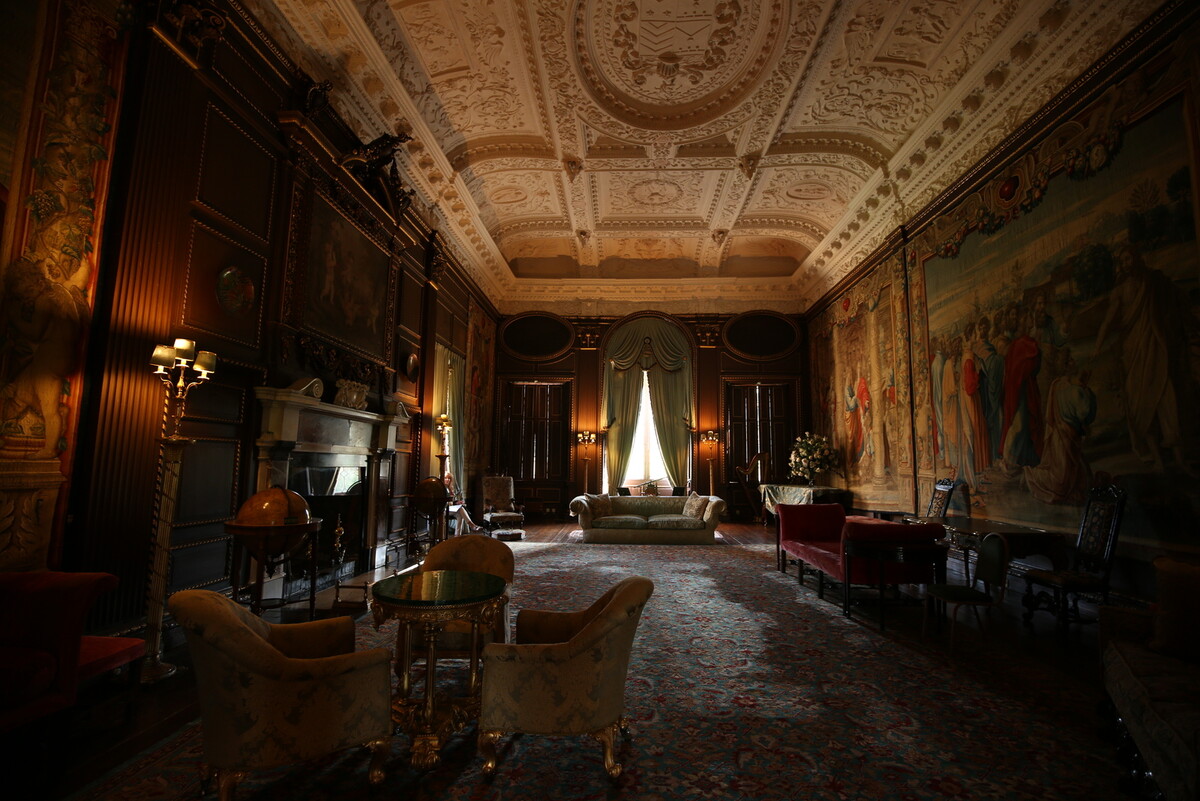
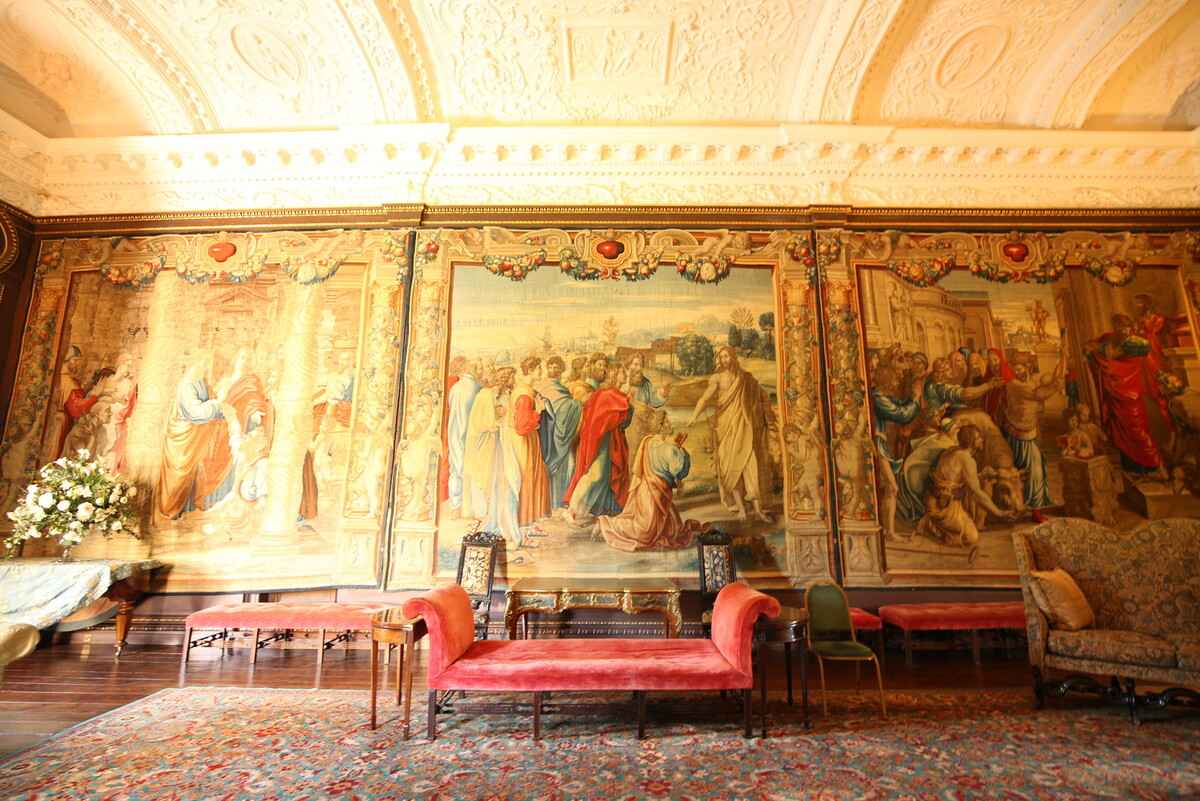
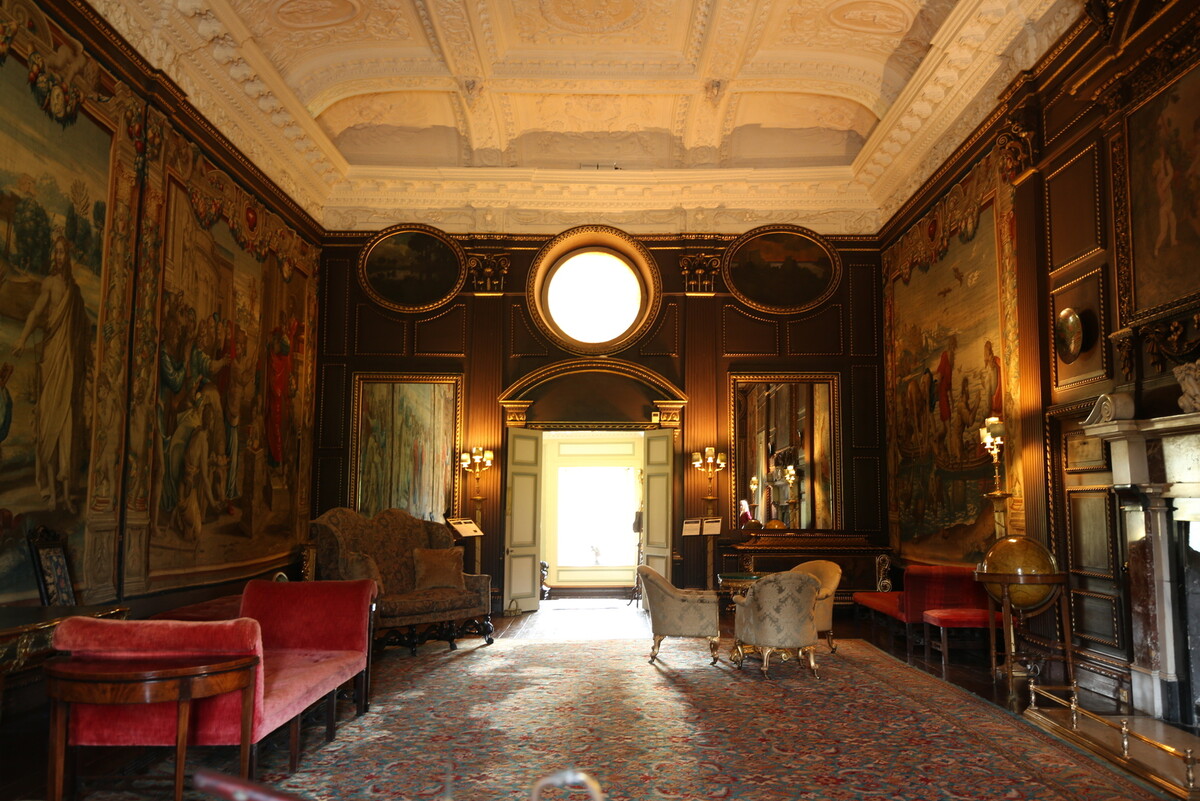
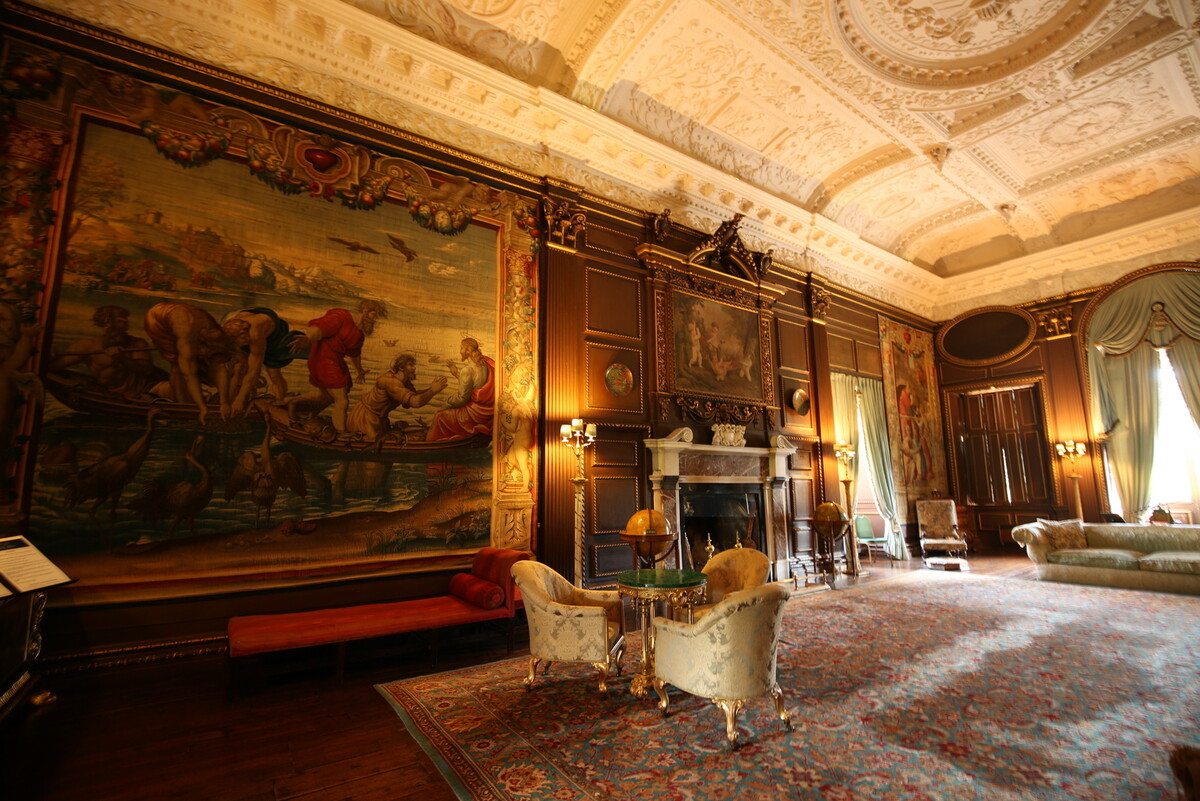
The Saloon holds the Mortlake Tapestries on its walls; they are the most important works of art in the Abbey. They are woven from the cartoons painted by Raphael, that are now on display in the Victoria and Albert Museum. Blocked medieval windows and main roof trusses from the 14th century still exist in the Saloon, although the windows are hidden behind the resplendent Mortlake Tapestries. The impressive plaster ceiling is the finest in the house. The ‘beams’ were formed on lathing, ‘woven’ like a basket, so the plaster is not too thick, and most of the enrichment was carried out by craftsmen lying on their backs on scaffolding in situ. Prideaux’s coat of arms is in the centre.
More areas of the House
The Chapel
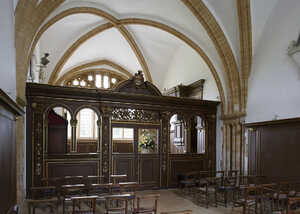
A former chapter house with 12th century vaulting and 17th century features.
The Cloisters
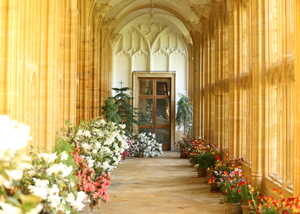
From monks' meditation walks to Tudor renovations and medieval stonework.
The Monks Dormitory
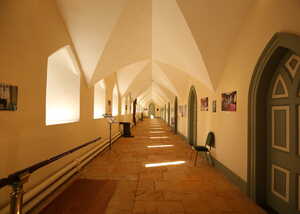
The Monks Dormitory reveals medieval monastic life and later changes.
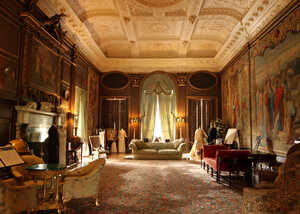
The Saloon
Home to Mortlake Tapestries, medieval features and the house’s finest plaster ceiling.
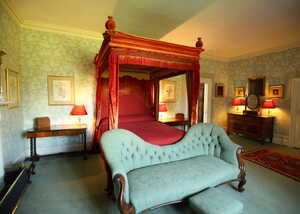
The State Rooms
The State Rooms feature ornate plaster ceilings, historic bedrooms and four-poster beds.
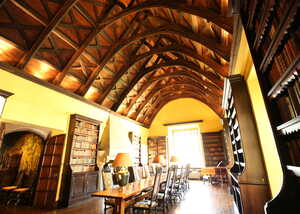
The Upper Refectory
Discover the Upper Refectory, from its medieval origins to its later use as a farm store.
 Updating page...